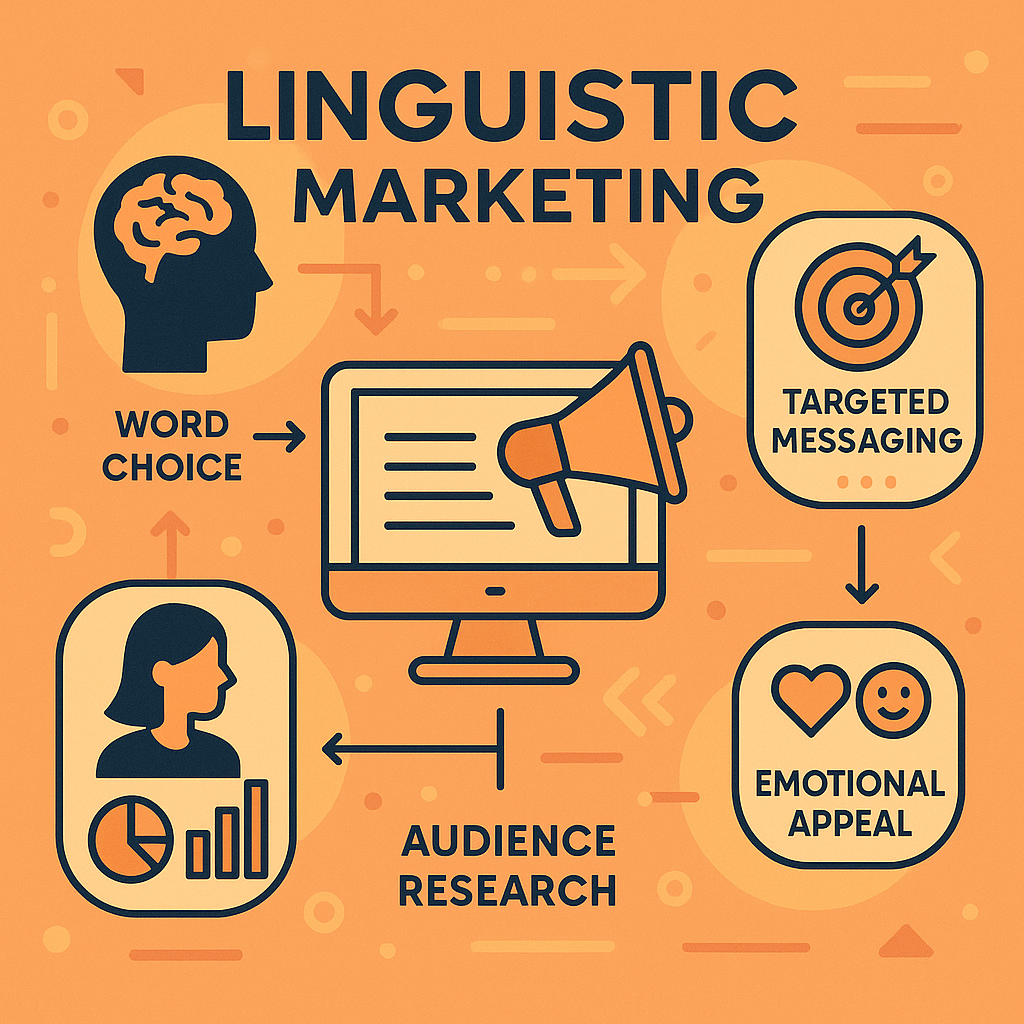

Definition and Origin of Linguistic Marketing
Linguistic marketing is a strategy that uses the science of language to influence buying behavior, evoke emotions, and connect more deeply with target audiences. This form of marketing involves carefully crafting words, phrases, tones, and messaging styles to align with consumer psychology.
The idea isn’t new—copywriters and marketers have long understood that the right words sell. However, with today’s access to data and artificial intelligence, linguistic marketing has evolved into a precise, data-driven approach to communicating brand value.
The Psychology Behind Word Choice
Have you ever noticed how some ads just feel right? That’s not by accident. Every syllable, metaphor, and call-to-action is designed to strike a chord. Our brains respond differently to different words. For instance, words like “you,” “free,” “now,” and “exclusive” often trigger action.
Linguistic marketing taps into:
- Emotional resonance
- Cultural familiarity
- Cognitive ease
- Syntactic fluency
These psychological triggers guide how a message is framed and perceived by the audience.
How Linguistic Marketing Works in the Digital Age
Language and Consumer Behavior
Digital consumers skim fast, click faster, and bounce even faster. In this rapid ecosystem, linguistic marketing helps you make a split-second impact. When a user reads a line of copy that speaks directly to them, they’re more likely to engage, click, and convert.
Tone, Semantics, and Syntax in Ads
A product targeting Gen Z uses casual, slang-heavy, emoji-friendly tone. Meanwhile, a law firm might use authoritative, clean, and formal language. This ability to match tone and structure with audience expectations is the core of linguistic marketing.
Brands now use tools like Natural Language Processing (NLP) to analyze what kind of tone works best for which audience—and adjust accordingly.
Key Elements of Linguistic Marketing
Targeted Messaging
One-size-fits-all content rarely works. Linguistic marketing segments messaging by demographic, psychographic, and behavioral data. This ensures each audience group hears a version of your message that feels made just for them.
Cultural and Regional Language Variations
Saying “pop” vs. “soda” might seem trivial, but it makes a world of difference in building trust with local audiences. Linguistic marketers often localize language to match dialects, slang, and idioms familiar to specific regions.
Emotional Language and Persuasion
Words that evoke emotion often convert better. Brands that understand which emotional triggers (e.g., security, joy, pride, FOMO) drive their audience can weave those into their messaging for greater impact.
Benefits of Using Linguistic Marketing
Higher Engagement Rates
When language mirrors a reader’s thoughts or beliefs, engagement skyrockets. Whether it’s a tweet, blog headline, or video script, using linguistic principles creates an instant emotional bridge. The result? More clicks, shares, comments, and time spent on your content.
Improved Conversion and Brand Loyalty
Linguistic marketing doesn’t just attract attention—it builds relationships. Consistently using tone and phrasing that reflect your brand’s personality helps foster familiarity and trust. Over time, this trust translates into conversions and long-term loyalty.
Real-World Examples of Linguistic Marketing
Case Study: Coca-Cola’s “Share a Coke” Campaign
Coca-Cola’s legendary campaign replaced its logo with people’s first names. It was simple, yet genius. By using personalized language, the campaign emotionally connected with consumers. This linguistic personalization boosted sales and social engagement worldwide.
Political Campaigns and Persuasive Language
Politicians often hire linguistic consultants to craft speeches. Words like “freedom,” “choice,” and “family” are not random—they’re emotionally charged and strategically selected to sway public opinion and build alignment with voter values.
Strategies to Implement Linguistic Marketing in Your Brand
Audience Research and Language Preferences
Start by understanding who your audience is and how they speak. Use surveys, social listening tools, and customer interviews to gather real language data. This will help you craft messages that echo their tone and terminology.
Tone of Voice Guidelines
Document your brand’s linguistic identity. Are you witty and casual or formal and reassuring? Create a tone of voice guide that outlines preferred sentence structures, vocabulary, contractions, and even emoji use.
Testing and Optimizing Messaging
Test multiple language variants of ads or landing pages using A/B testing tools. Pay attention to metrics like CTR, bounce rate, and conversion rate to determine which words resonate best.
Tools and Technologies Supporting Linguistic Marketing
AI and Natural Language Processing (NLP)
NLP enables marketers to analyze language patterns at scale. Tools like Grammarly Business, Jasper, and ChatGPT use AI to suggest more persuasive, inclusive, or on-brand wording.
Sentiment Analysis Tools
Sentiment analysis tools like MonkeyLearn or Lexalytics evaluate how customers emotionally respond to messaging. They help refine copy to maintain positivity or address dissatisfaction.
A/B Testing Platforms
Platforms like Optimizely or Google Optimize allow brands to test headlines, calls-to-action, and ad copy—perfect for honing linguistic effectiveness through data-backed decisions.
Linguistic Marketing vs. Traditional Marketing
What Makes It Unique
Traditional marketing focuses on visuals, placement, and general messaging. Linguistic marketing dives deeper into the science of language. It’s less about what you say, and more about how you say it—and who’s hearing it.
Integration with Other Marketing Disciplines
Linguistic marketing supports SEO, email marketing, social media, UX writing, and more. It acts as a foundation, ensuring all messaging remains consistent, engaging, and persuasive.
The Role of Multilingual Marketing in Global Success
Localizing vs. Translating
Direct translation often misses cultural nuance. Localization adapts content to make it feel native to each market—right down to jokes, metaphors, and idioms. This precision is at the heart of effective global campaigns.
Cross-Cultural Sensitivity in Messaging
A word that’s harmless in one culture can be offensive in another. Linguistic marketing emphasizes cultural sensitivity to prevent PR mishaps and enhance brand inclusivity.
Ethical Considerations in Linguistic Marketing
Avoiding Manipulation
There’s a thin line between persuasion and manipulation. Ethical marketers ensure transparency, avoid fearmongering, and respect the consumer’s right to informed decision-making.
Transparent Communication Practices
Great marketing is honest. Using clear language, disclosing intentions, and maintaining consistency helps brands avoid miscommunication—and lawsuits.
Future Trends in Linguistic Marketing (2025 & Beyond)
Voice Search and Conversational AI
With smart speakers and voice assistants becoming standard, linguistic marketing now extends to voice-first experiences. This means optimizing content for spoken language and natural phrasing.
Predictive Linguistics and Consumer Intent
AI tools are beginning to anticipate what consumers want to hear next—predictive linguistics is emerging as the next evolution in personalization.
Challenges in Linguistic Marketing
Language Ambiguity and Misinterpretation
What’s funny to one group might be offensive to another. Linguistic ambiguity can lead to confusion or backlash if not carefully managed.
Keeping Up With Language Trends
Slang, abbreviations, and internet lingo evolve fast. Staying current with the way people speak, type, and text is crucial for relevance.
How to Train Your Team in Linguistic Marketing
Workshops and Courses
Offer training programs on tone, cultural linguistics, and persuasive writing. Platforms like Coursera and LinkedIn Learning offer targeted courses on brand language and consumer psychology.
Building Cross-Functional Language Skills
Encourage collaboration between marketing, UX writing, customer service, and product teams. This helps ensure a consistent linguistic approach across all customer touchpoints.
Measuring the Success of Linguistic Marketing Campaigns Metrics to Track
- Click-Through Rate (CTR)
- Engagement time
- Sentiment score
- Conversion rate
- Brand recall surveys
ROI and Customer Feedback Analysis
A/B tests and direct feedback reveal what language drives revenue. Listen to what your audience is telling you—they’ll show you if your message hits home.
Frequently Asked Questions (FAQs)
What industries benefit most from linguistic marketing?
Virtually all industries can benefit, but it’s especially powerful in consumer goods, retail, politics, education, and tech.
How is it different from content marketing?
Linguistic marketing focuses on how language is used, while content marketing is about creating content. Linguistic marketing enhances content quality and emotional resonance.
Can small businesses use linguistic marketing effectively?
Absolutely. Even basic changes like tone of voice and personalized headlines can make a big impact for small brands.
Is linguistic marketing only for digital platforms?
No. While digital makes tracking easier, print ads, packaging, and customer service scripts also benefit from linguistic techniques.
What skills are needed to master linguistic marketing?
Skills include copywriting, psychology, audience research, cultural fluency, and data analysis.
How long does it take to see results?
Some results, like increased engagement, can be immediate. Others, such as brand loyalty, may take months to develop.
Conclusion: The Power of Words in Modern Marketing
Linguistic marketing proves that words are more than just information—they’re powerful tools for connection, persuasion, and identity. As we move into an AI-driven future, brands that master language will rise above the noise and resonate on a human level.
Whether you’re a solo entrepreneur or a Fortune 500 company, the right words can make all the difference. So, choose them wisely.